Thousands of courses for $10 728x90

الجمعة، 27 يوليو 2018

How to Turn Your Business Idea Into a Startup Company

Ideas are a dime a dozen. Everyone has them.

Some ideas are great, and others could be  improved.

As an online marketer, I’ve heard countless business pitches from prospective entrepreneurs over the years. While I admire their creativity, just coming up with an idea alone is far from having a viable business concept.

If you are ready to put your idea to the test and launch a startup company, I encourage you to read this guide.

Your idea needs validation.

The last thing you want to do is launch a new business and realize six months down the road that it wasn’t a good idea. By this point, you’ve already sunk too much time and money into the venture.

Don’t skip any steps in the startup process.

Here’s what I’ve done. I’ve outlined how you can take an idea and turn it into an actual business. I’ve tried to keep this guide as general as possible so that it can speak to the widest audience of entrepreneurs.

For example, some businesses will need to buy or lease retail space. Other brands will need production equipment or partnerships with manufacturing facilities.

Some of you may even need permits and have to meet certain legal obligations before your launch. I stayed away from going into depth on these types of details.

That said, this is an excellent reference for anyone with a business idea and no experience launching a startup.

Even if you’ve been part of startup launches before, this guide can help you avoid some mistakes you may have made in the past.

Write a business plan

When you approach your new business venture without a plan, you increase your chances of failure.

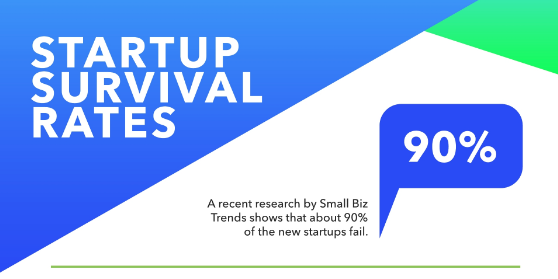
The odds are already working against you since such a large percentage of new startup companies fail.
startup survival rates

You need to do everything possible to try to give yourself an advantage and increase your chances of success.

Here’s a pretty common conversation I have with entrepreneurs. They pitch me an idea and follow up with something like, “Wouldn’t that be a great business?”

My honest answer is I truly don’t know. And they don’t know either.

Many ideas sound good when they’re verbalized. But when it comes to the logistics, finances, and other important details, the idea may not be as good as you initially thought.

That’s why you need to learn how to write a business plan for your startup company.

Your business plan will help you tremendously and ultimately increase your chances of succeeding.

Startups with a business plan have a 29% greater chance of securing funding, which we’ll discuss in greater detail shortly. Writing a plan also increases the chances of business growth by 50%.

These are the common components of a business plan:

  • executive summary
  • description of the company
  • market analysis
  • competitor analysis
  • organizational structure
  • details about products and services
  • marketing plan
  • sales approach
  • budget and funding
  • finances

Your plan will outline everything you need to do, even if your idea is very simple. For example, let’s say you’re planning to sell shirts.

How are you going to sell them? Where will you sell them? Whom will you sell them to? At what price will they be sold?

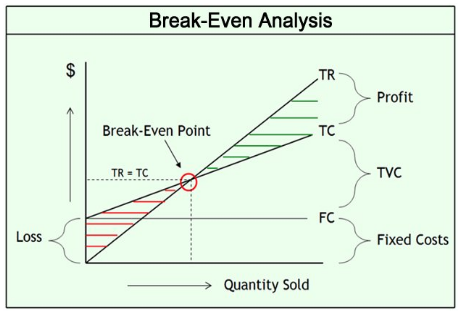
You’ll explain in detail your costs to produce the shirts. The business plan will even outline when you plan to break even on your investment.
break even

The financial projections section is arguably the most important part of the entire plan.

You need to come up with realistic numbers. In addition to listing all your expenses, you need to project your sales.

This information will help you determine if your new business can generate money. You’ll be able to come up with price points so you can turn a profit.

Again, you must figure all this out before you open the doors of a new business. It starts with proper planning.

Define your target audience

The idea for your new business might sound good, but for whom is it a good idea?

Whether you have a product, service, invention, or modification to an existing product, you need to clearly define whom you’re selling to.

I hear people say all the time:

“Everyone will like this idea.”

This is simply not true. Plus, from a marketing perspective, it’s unreasonable to try to launch a brand intended for everyone.

Imagine trying to come up with promotions that appeal to men, women, and children of all ages from every corner of the world. It’s not a realistic approach.

You need to learn how to identify the target market of your startup.

Start with broad assumptions about your prospective customers, and narrow it down even more.

Begin with factors such as their ages, genders, and physical locations. Then get more specific, and identify their interests and lifestyle habits.

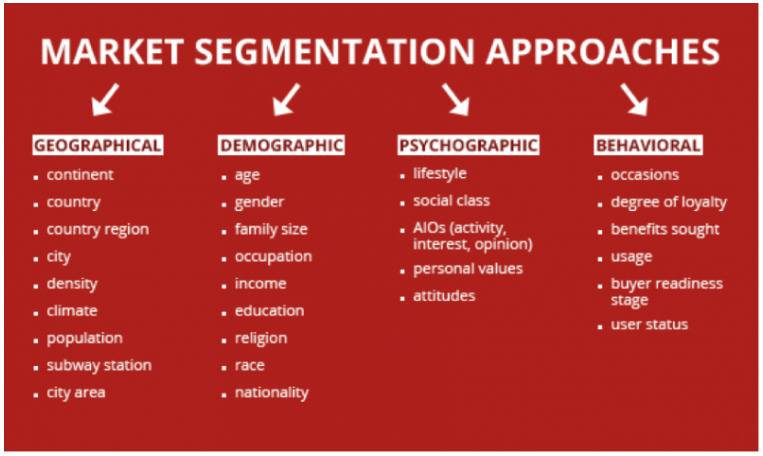
Here are some ways for you to segment your audience based on geographic, demographic, psychographic, and behavioral categories.
market segment

For example, let’s say your product is intended for males between the ages of 25 and 40. That’s still a broad audience.

You can make it more specific by saying you’re targeting males between the ages of 25 and 40, who live in the United States, make more than $60,000 per year, and are interested in fitness.

Do you see the difference? That’s much more detailed. You can develop a customer persona to help you with this process.

Also, you need to look at your target audience from different perspectives. Let’s say you’re launching a startup that sells toys for young children.

That’s not necessarily your target market.

Three-year-old kids don’t buy stuff. You need to target their parents instead. Make sense?

Conduct market research

Now that you have an idea of whom you want to target, it’s time to test that theory. Just because you think your idea is great for a specific market doesn’t mean this is true. You can use:

  • surveys
  • interviews
  • focus groups
  • beta testers
  • product samples

You need to get out there and talk to people. Validate your idea.

It’s also necessary to figure out who else is offering the same thing you are. Today, it isn’t easy to come up with an idea that’s 100% unique.

Don’t get me wrong: it doesn’t mean you can’t make money by having the same idea as someone else. But if the market is oversaturated, it might not be in your best interest to proceed.

I’ll give you a simple example to explain what I mean. Let’s say you want to open a pizza shop in your city.

You’ve scouted out a location that can fit your ovens and tables. You can rent it at a reasonable rate. Your pizza recipe is outstanding. Plus, everyone likes pizza, and more than 100,000 people live in the city.

This idea must be a homerun, right? Not if there are 20 other pizza shops within a few blocks of your prospective location.

It’s going to be too difficult for you to compete with a market that’s so saturated.

This is an example on a small level, but you can scale it to any industry. Look at the ecommerce space. There is a huge competition globally.

In addition to niche brands, you’ll also be competing with giants such as Walmart and Amazon.

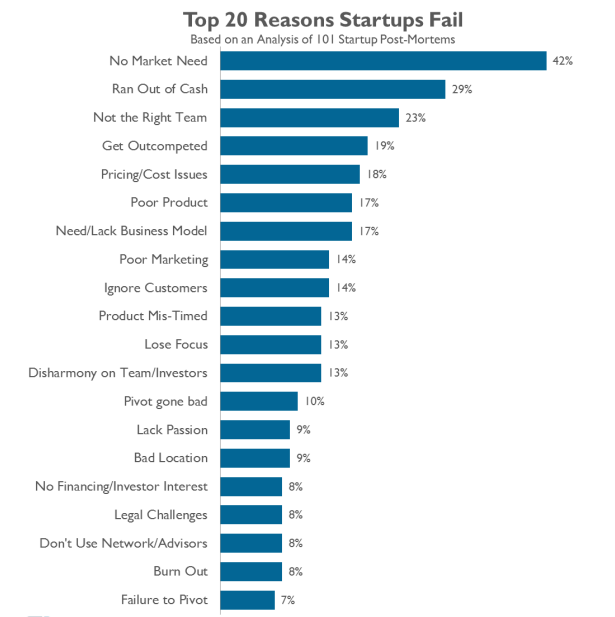
The number one reason why startups fail is that there is no market need.
why startups fail 1

While your idea might be cool, there may not be a need for your product or service.

Or even if the market needs what you’re offering, it could be getting it from someone else already.

Market research will also require you to analyze your competition.

Establish your brand

Your startup company needs to have a differentiation strategy that separates you from your competitors.

What’s your identity?

Your brand may be cool, edgy, and trendy. Or maybe you’re going for a brand identity that is conservative and family-oriented instead.

Some startups launch with a mission to help a greater cause, such as a nonprofit organization.

No matter what your brand identity is, it needs to be clear to your audience. All of your branding campaigns will reflect the image you’re trying to portray.

Your website colors, marketing campaigns, and promotions will speak to your brand identity. This even relates to your logo and the name of your startup.

Come up with a name that doesn’t restrict your growth. Even if you’re focusing on something specific right now, you don’t want the name of your brand to put you in a box, preventing your expansion in the future.

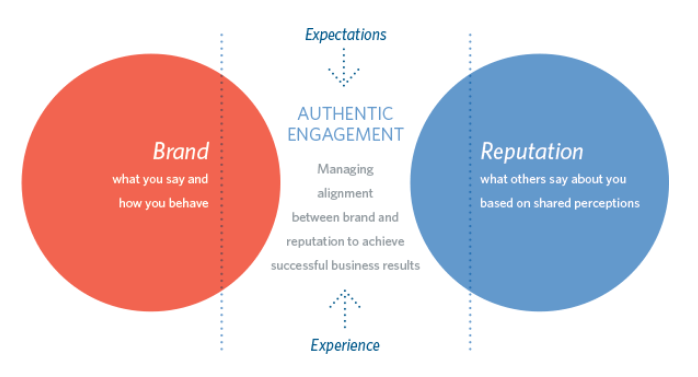
Your brand needs to speak to your target audience, which was already defined. A proper branding strategy will nurture your brand reputation.
brand reputation

In a perfect world, your brand image and brand reputation will be the same. You want people to see your company in a positive light.

So it’s important to get your branding strategy right the first time because your reputation is going to stick with you for years to come.

It’ll be hard to rebrand yourself in the future if you make a mistake during the launch stages, so don’t rush into anything.

Surround yourself with the right people

It’s time to assemble your team.

The size of your team will vary based on the type of business you’re launching.

You want to find people strong in areas where you are weak. For example, if you’re extremely creative but don’t have managerial skills, it doesn’t make sense to bring another creative mind on board without hiring someone who can manage employees.

Or let’s say you’re building a mobile app but don’t have any experience with coding or design. You’ll need to hire a developer and designer.

Surround yourself with people whom you are compatible with. You want to build strong working relationships with your team.

Here’s another problem I see all the time. People launch a startup and just start hiring their friends and family.

Don’t get me wrong — this can work. But you need to think long and hard about this decision. Do you want your personal relationships to be impacted by the business?

Can these people take directions from you? What if you need to fire your best friend?

These are all sticky situations, so tread carefully. You also need to make sure every member of your team can bring something to the table.

Just because you were bouncing ideas off a friend a few months ago doesn’t mean they’re part of the business.

I’m not saying you need to be selfish or stingy, but ultimately, you need to do what’s best for you and your business.

Secure funding

Your startup will need some money to get off the ground. Depending on what you’re doing, this can range anywhere from a few thousand dollars to millions of dollars.

Everyone’s situation is different. You’ll need to recognize all your business costs. Here are some examples to consider:

  • research and development
  • equipment
  • cost of property to buy or lease
  • website and server
  • inventory
  • insurance
  • legal fees
  • payroll
  • startup costs
  • operating costs

You need to realize you won’t have any income when you first launch, but you’ll still need to cover all your expenses.

Based on this information, you’ll be able to determine how much money you need. Learn how to get your startup funded.

Use your business plan and financial projections when you’re speaking with prospective lenders or investors.

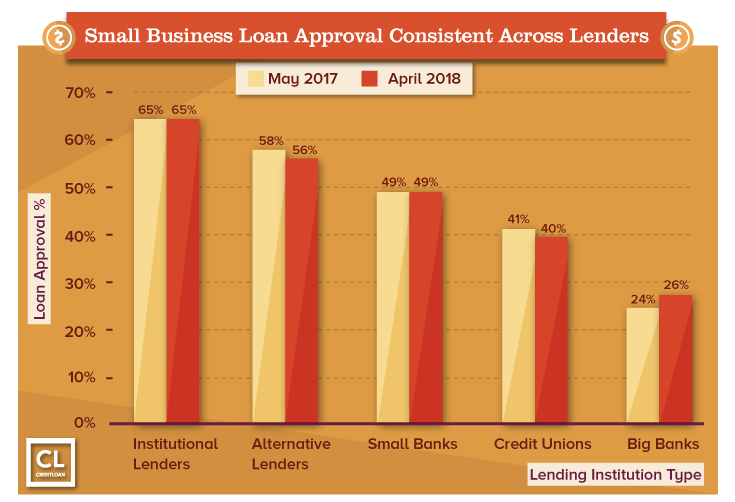
You may consider getting a bank loan and pay interest fees for the funds you borrow. But big banks may not be your best bet. Just look at these approval rates for small business loans:
small business loan banks

For your startup company, you may want to consider some alternative options:

  • venture capitalists
  • angel investors
  • personal savings accounts
  • friends and family
  • crowdfunding

These are all reasonable sources to raise capital to launch your startup. You’ll just have to consider these options and decide which ones are the best for your scenario.

Figure out if it’s worth giving up equity in your company. Will your investors bring anything else to the table besides cash?

While it may be nice to have other opinions, you want to make sure you have the final say in all decisions. There is nothing wrong with giving up some equity, but just don’t lose control of your company.

Build hype before you launch

Everything is falling into place.

Your business plan looks good. The target market is clearly defined. All your market research is complete.

The team you assembled is qualified. All of your funds have been secured.

Now it’s time to put your company branding strategy to work.

Buy a domain name. Launch your website. Create social media profiles.

Start to market your brand. Even if you’re not officially launched or selling anything just yet, you can still take pre-orders.

Create a blog. Try to get featured on press releases or news articles. Send free samples to influencers.

Do anything that will make your presence known. Get creative with guerilla marketing and content marketing strategies.

Be prepared to work

Before you officially launch, you need to ask yourself if you’re ready to work.

Sure, you know your idea is great and it’s been validated through your research. But are you ready to take the plunge into entrepreneurship?

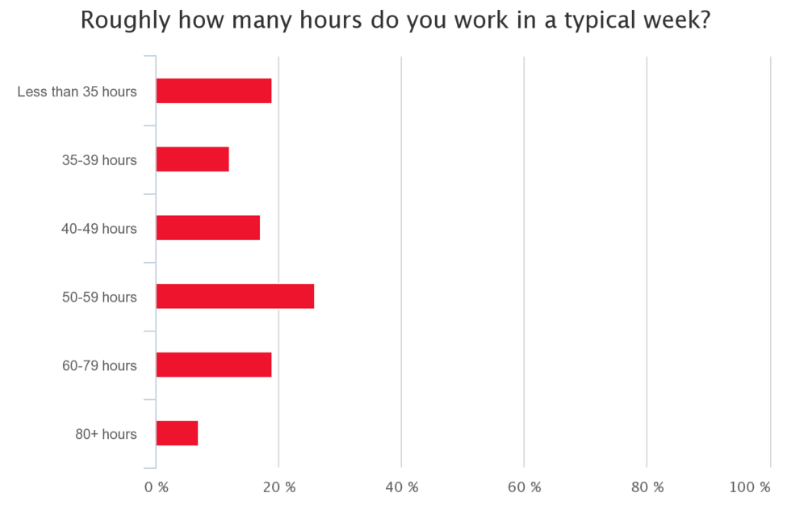
Just look at how many hours the average entrepreneur works per week:
hours worked

In order to launch your startup, you might be leaving a job with a steady paycheck to work twice as hard on your new business, without being able to pay yourself for years.

Is this something you can handle mentally and financially?

Research shows 41% of entrepreneurs say they feel stressed almost every day. An additional 33% say they feel stressed a couple of times per week.

But only 7% of entrepreneurs say they never feel stressed.

Unlike with a regular job, there’s no quitting on your own business. You can’t call in sick when you don’t feel like working.

You’re the boss. You set the tone for the entire culture of the company.

While being your own boss definitely has lots of benefits, it also comes with added responsibility and plenty of sleepless nights. You need to recognize that your startup can still fail.

I’m not saying all of this to discourage you from following through with your plan, but you need to accept this reality.

But if you’re willing to take these risks and get to work, proceed with your business plan, and make it happen.

Conclusion

There is a big difference between an idea and an established business. You need to take steps to validate that idea before you launch a startup company.

Write a business plan. Identify your target market. Conduct market research.

Then you’ll need to come up with a branding strategy.

Assemble your team. Surround yourself with people who can contribute to the success of your new business.

Recognize your costs and outline your financial projections. This will give you a better idea of how much money you need to launch your company.

Being an entrepreneur can be rewarding, but it’s no walk in the park. You need to ask yourself if you’re capable of being a business owner.

But if you’re ready to work and you’ve taken the steps I’ve described in this guide, you can turn your business idea into a reality.

What steps have you taken to turn your concept into a startup company?


Source Quick Sprout https://ift.tt/2LQDeHA

Why It’s Crucial to Start Saving for Retirement Now

One of the main reasons that people choose not to start up their 401(k) (or 403(b) or TSP or other such plan) at work is because they’re simply overwhelmed by all of the options available to them and they’re worried about not choosing the “best” one and losing money. This was a concern I had at my first job when signing up for my retirement plan for the first time, and it was voiced by others in the room during the orientation session. It’s also been a concern noted by many readers over the years. They didn’t sign up because of option overload – they partially filled out the form, then felt overwhelmed by the options, then just sat it aside and took no action on it.

This is a bad move. You are better off choosing almost any investment option and starting to save now rather than putting it off.

Let’s look at two case studies.

Jane is 25 years old. She has her first “real” job and plans to retire at 65. On the first day, she goes in to sign up for her retirement plan and chooses an investment that offers a 7% average annual return on her contributions. She starts contributing $2,600 a year and her employer matches that, also contributing $2,600 a year.

After 40 years of this, when Jane is 65, she’ll have $1.15 million set aside for retirement.

Now, let’s look at Robert. He’s also 25, at his first “real” job, and also plans to retire at 65. On his first day, he goes in to sign up for retirement and balks at the options. He stuffs the forms in his desk and forgets about them. At age 30, he is finally nudged by his parents and wife into contributing to his retirement account, so he carefully studies the options and chooses that same 7% option that Jane chose. He starts contributing $2,600 a year and his employer matches that, also contributing $2,600 a year.

After 35 years of this, when Robert is 65, he’ll have only $800,000 set aside for retirement. Waiting just five years cost Robert $250,000. Another way of looking at it: waiting for 12.5% of his working years cost Robert around 22% of his total retirement savings. That’s a big loss.

There’s almost no doubt that starting now is better than starting later, but what about the fear of choosing a bad investment? Wouldn’t you be better off waiting and doing the research and choosing a much better investment in a year?

Here’s the issue with that: you can do that regardless of whether you’re contributing right now or not. If you start contributing right now and put it in a money market fund – meaning there’s virtually no risk and something around a 2% annual return – you can still make your investment decision a year from now and already have a year’s worth of contributions sitting there. If you don’t do that, you have nothing a year from now. In the case of Jane and Robert, that means they’d have about $5,250 or so ready to invest in something at the end of the first year if they just chose a money market account (with basically no risk) instead of choosing no contribution at all.

So, starting now and contributing to something extremely safe, then choosing a better investment and moving later is better than contributing nothing now, choosing a better investment, and starting later.

Let’s address another common issue that comes up in these discussions: the “market timing” scenario. You’re about to sign up for your 401(k) but you’re simultaneously afraid that the stock market is about to have a 1929 or a 2008 year and drop 40% in value, so you don’t sign up.

In this scenario, the same thing holds true: Just start contributing now and put it into something safe, then move it over when you feel the time is right. By not signing up, you simply miss out on those years of contributions.

However, the idea that you can time the market is a fallacy. As I wrote late last year in Why You Can’t Time the Market: Thoughts on Investing in Stocks:

Do you have a time machine? No? Then market timing isn’t worth it.

You can’t guess day to day where the peaks and valleys of the market are, and if you miss it by much, you’re going to cut enormously into any advantage you might get from market timing. Add into that the fact that you’ll be paying brokerage fees and you’re devoting a lot of time to study, and the disadvantage grows.

The much better approach is to do things passively. Only invest in stocks if you have a goal that’s more than a decade in the future. Buy a broad based index fund (like the Vanguard Total Stock Market Fund) and reinvest the dividends. Then ignore it until you actually need the money. The market will go up. The market will go down. It doesn’t matter.

If you’re not able to actually predict the day to day peaks and valleys of the stock market – and even large scale investors who do this for a living can’t do it really well over a large period of time – then market timing isn’t going to help you. In fact, if you’re very much off the peaks and valleys at all – and as a casual investor, you will be – you’re likely going to do worse than if you just put money in there and didn’t think about it at all.

In other words, for people just signing up for a 401(k), timing the market is a fool’s game that will probably result in losing money.

What about the worry of a “lemon investment”? This is another concern that people often bring up in these situations. They’re concerned that the retirement investment option they choose is a “lemon” with poor returns and high fees.

That’s true – you might wind up in an investment that doesn’t have great returns or might have high fees. That’s still better than contributing nothing. A 6% return on your money when you could have had 7% (by picking a better investment) is still way better than a 0% return on your money when you could have had 6% (by contributing to the lemon).

Furthermore, with almost every retirement account out there, you have the ability to change your investments at any time. If you keep researching and realize you’re in a lemon, you can move your money to a better investment within that account with no tax consequence. Just log in and change it.

In short, if you end up making a bad choice, you can always correct it later, and whatever reduced amount you earned in that investment is better than earning nothing by not contributing at all.

Okay, one final question. What if you literally have no idea what to choose, and that fear keeps you from making a choice?

The first thing I’d do is simply ask the human resources officer or other employee that is helping you sign up for retirement for their recommendation. They’re typically given some basic guidance to help people find a retirement option that’s right for them. Follow that advice for now. Often, this advice will lead you to a “target retirement” fund, which is a solid default choice.

Later on, as you learn more about investing (or you have someone advising you), you (and/or your advisor) can research the investment you’ve chosen as well as the other options available within your retirement account and, again, if you find something that seems to be a better option, you can move at that time.

The moral of the story is this: You are better off saving for retirement right now rather than later, regardless of how you choose to invest that money. If you choose to leave it in cash for a year or two within your 401(k), you’re still better off in the long run than doing nothing at all. If you put it all into stocks and the stock market bottoms out next year, you’re still better off in the long run than doing nothing at all. If you put it into an awful investment and don’t figure it out for a few years, you’re still better off than doing nothing at all.

Why? Because even after all of those potential issues, you still can’t beat the sheer power of saving for retirement early and letting the power of compound interest work in your favor for as long as possible. The only way to do that is to start now.

If you have a retirement plan at work that you haven’t signed up for, do it today. Don’t wait. Start the contributions now, even if you can afford very little. If you don’t have a retirement plan at work, sign up for a Roth IRA and start contributing, even if you can afford very little. Make moves in your life (like adopting frugality or paying off debts) that will allow you to bump up those contributions as soon as possible. That way, you’ll be as ready for retirement as you can possibly be, and that’s one less little piece of background stress on your shoulders as you move through the many years of your life.

Good luck!

Related Reading: 

The post Why It’s Crucial to Start Saving for Retirement Now appeared first on The Simple Dollar.


Source The Simple Dollar https://ift.tt/2NRAYRc

Compare broadband, phone & TV packages

  • Lowest Prices
  • Compare & save £200 +
  • See deals in your area

Image

CTA

Legal

Section


Source Moneywise https://ift.tt/2LFDOLy

8 Tips for Anyone Who’s Counting the Minutes Until Their Next Paycheck


If you survive on ramen as payday approaches, you’re in good company: Nearly 8 in 10 workers in the U.S. say they live paycheck to paycheck, according to a 2017 CareerBuilder survey.

And people with low incomes aren’t the only ones struggling. About 1 in 10 workers surveyed who said they earn six figures or more reported living paycheck to paycheck.

Breaking the paycheck-to-paycheck cycle is never easy; if you plan to try, you’ll have to take a hard look at your mindset and habits.

8 Ways to Break the Paycheck-to-Paycheck Lifestyle

“Money Girl” host Laura Adams outlines tactics for breaking the paycheck-to-paycheck cycle in the episode “8 Tactics to Stop Living Paycheck to Paycheck.” By saving even a small amount each month, you can achieve greater financial security and finally feel less stressed about money.

1. Acknowledge the Problem

If you’re not saving money, you’re one emergency away from financial disaster. Your first step is to figure out why it’s so hard for you to save. Maybe you’re overspending, or perhaps you need a side hustle because your paycheck barely covers your bills. Once you figure out the “why,” you can change your habits to start saving money.

2. Stop Worrying About Your Self-Image

When you obsess about looking successful, you risk living a lifestyle you can’t afford. No amount of material goods will make you happy. Focus on yourself and your goals, and find ways to fill emotional voids that don’t require spending.

Another pro tip: Learn to say “no.” Repeat it whenever someone pressures you to overspend or distracts you from your goals.

3. Track Your Spending

If you want to have cash left over from your paycheck, you need to track everything you spend. There are tons of tools that you can use to track your spending, including budgeting apps, Google Sheets and Excel. Or you could take the old-school approach to budgeting by documenting each transaction in a paper notebook.

4. Focus on Your Biggest Expenses First

If you’re living in a home you can’t afford or drive a car that’s beyond your budget, you’ll probably never stop living paycheck to paycheck, no matter how much you cut the smaller stuff.

Try to avoid spending more than 20-25% of your gross income on rent or your mortgage, even if that means you need to downsize by finding a smaller place, get a roommate or move in with family. Your car payment shouldn’t eat up more than 10% of your gross budget, so consider a cheaper ride or alternative transportation if you’re paying too much.

5. Re-evaluate Your Debt

By refinancing your home or consolidating your credit card debt, you could save big bucks on interest. Adams’ Online Loan Comparison Chart can help you compare your lending options.

6. Set Up Automated Savings

Automation is your friend when it comes to saving money. You’ll be less tempted to spend money when you save it before you have the chance to touch it.

If you contribute to a workplace retirement account like a 401(k), you’ve already automated savings because contributions can only be taken out of your paycheck. Consider setting up automated transfers to an individual retirement account (IRA), 529 savings plan for your child’s education or a savings account.

7. Find Ways to Earn More Money

Sometimes cutting expenses isn’t enough. If you need to make more money, consider getting a second job, working extra hours at your primary job or taking on a side hustle. There are tons of ways to earn extra money, such as driving for Uber or Lyft, grocery delivery, taking online surveys, and more. Or, perhaps it’s time to make the case to your employer that you deserve a raise or promotion.

8. Focus on Future You

It’s frustrating when you feel like your paycheck never goes far enough, but change takes time. Focus on where you want to be in the long term — think five, 10 or even 20 years down the line. By thinking about the big picture, you can set smaller goals that will help you get there someday.

Listen to the full podcast for the full eight tips on breaking the paycheck-to-paycheck cycle, plus find bonus tips for saving on your electric bill from The Penny Hoarder’s Lisa Rowan.

Robin Hartill is a senior editor at The Penny Hoarder.


This was originally published on The Penny Hoarder, which helps millions of readers worldwide earn and save money by sharing unique job opportunities, personal stories, freebies and more. The Inc. 5000 ranked The Penny Hoarder as the fastest-growing private media company in the U.S. in 2017.


source The Penny Hoarder https://ift.tt/2JZ2ZUx

US Economy Surges to 4.1 Percent Growth Rate in Q2, Best Showing Since 2014

The U.S. economy surged in the April-June quarter, growing at an annual rate of 4.1 percent. That's the fastest pace since 2014, driven by consumers who began spending their tax cuts and exporters who sought to get their products delivered ahead of retaliatory tariffs.

Source CBNNews.com https://ift.tt/2mLLC05

Dreaming of a Job Outdoors? This Guy Works as a River Guide in Idaho

We’re in College. We’re Newlyweds. We’re So Broke. Where Can We Turn?


Dear S.,

Getting married is challenging. Being young and newly married — even more so.

I got married three weeks into my freshman year of college. Not long after, I sauntered into my old high school feeling pretty invincible. Look at me: I am an adult, married lady. I swung by my favorite biology teacher’s room to chat, and when he asked how we were doing, I made an offhand comment about being broke.

He stopped sorting student papers and looked at me squarely. “The money will be tight for a while,” he said. He told me a few details from when he and his wife were starting out, when their kids were young. He didn’t make any comments about how old I was or why I had gotten married so soon after high school. He just leveled with me about how hard it can be to make ends meet in a young marriage.

So if everything feels impossible for you right now, it’s probably because it kind of is. So many of us are not prepared to be fully functioning adults when we leave home. And then you have to be a functioning adult in the same house as another newly functional adult? It’s ripe for conflict.

Filing for bankruptcy at 20 is probably not a viable option. But applying for government assistance can be a huge help for you during this time when you’re juggling health issues along with the pressure to earn as much money as possible.

You may be eligible for SNAP, the benefit formerly known as food stamps. The government assistance program is designed for working adults with limited assets. You can even apply for SNAP online in many states, so you don’t even need to talk to someone to ask for help.

You could also consider dropping down to half-time status at school. You can usually retain financial aid if you’re taking at least six credits each semester, although school rules vary. It may take longer to complete your degree, but reducing your course load for a semester or two could bring extra peace of mind while you determine the best way to figure out work schedules and medical needs with your husband.

Asking for help is hard, but asking for help now can set you up for greater stability in the future. This is not a time to hide your fears about your finances from family members, friends, and most importantly, each other.

If you don’t talk about what’s worrying you, it’ll eat away at you both.   

Lisa Rowan is a senior writer at The Penny Hoarder.

This was originally published on The Penny Hoarder, which helps millions of readers worldwide earn and save money by sharing unique job opportunities, personal stories, freebies and more. The Inc. 5000 ranked The Penny Hoarder as the fastest-growing private media company in the U.S. in 2017.


source The Penny Hoarder https://ift.tt/2mNJsNK

الخميس، 26 يوليو 2018

John Lewis fails to deliver decent customer service, or the right sofa

John Lewis

Moneywise helps a reader struggling to get a sofa.

On the second week of January, we engaged a John Lewis home designer to visit us and plan a couple of revamps for our lounge and hall. I thought at £250 it was a bit pricey, but as soon as you spend over £1,000 the value is refunded. Two weeks later in the Cardiff store, we signed it off and placed the order on 5 February. It was for two chairs, a chaise longue, footstool, media stand and some shutters. We were given a delivery date of 4 April.

Problems began two weeks after that, when we were told that due to a fault in the leather of the chairs and chaise longue, they had to be remade, pushing delivery out until mid-May, at a time when we were on holiday.

The delivery was arranged for 26 May but didn’t happen, despite us waiting in all day. The items eventually arrived on 29 May. But when I started to put them together, I realised they had delivered the wrong chaise longue (we required a left-hand chaise, they delivered a right-handed corner sofa). After over an hour of fruitless calls, I get through to John Lewis Cardiff, finally, for it to investigate.

It told me its suppliers had made the wrong sofa and to get the one we ordered would be a three-month delay. Many emails later, I suggested John Lewis send us the store display chaise to give us something to sit on during this further delay, rather than cancel the whole thing. It agreed to do so, but then changed the delivery dates without telling us, calling my wife while she was in hospital, despite being told that I was the one to call.

All in all, it has been dreadful. There has been no assistance, no follow-up, no responsibility from anyone to manage the process at all. Five months after the original consultation, we still don’t have what we ordered, but most incredibly, no one seems to be even slightly bothered about it.

We feel badly let down by John Lewis and the store’s customer service.

DR/Cardiff

What a nightmare, and all for something decent to sit on at home! Knowing John Lewis’s reputation for service, I was surprised about the months of problems and delays you faced, but once I contacted the company’s head office it was immediately apologetic.

It said in a statement: “We are extremely sorry for the delays that the customer has experienced with this order. The service that we provide for our customers is so important to us and this case falls well below the standards that we set ourselves. We are now monitoring the production of this order as a priority to ensure that the customer receives their new furniture as soon as possible.”

That is due to happen any day now (seven months after you started the process), so I pressed the company for a goodwill payment. It told me that it will look to offer a gesture of goodwill once the goods have been delivered and you’re happy with them. That makes sense and I trust it to keep to its promise.

OUTCOME: Reader to get goodwill payment for months of stress

Section

Free Tag

Related stories

Twitter


Source Moneywise https://ift.tt/2Oikx18

Understanding Prosper Loans

Want to know how to avoid borrowing from your bank? The Internet has created a new environment where it is possible to get loans without using traditional sources, like banks.

Dozens of peer-to-peer (P2P) lenders have sprung up across the Internet, offering loans to borrowers that are often under terms that are more favorable than what is available through banks.

P2P lending sites bring borrowers together on the same website with the iProsper.com Personal Loansnvestors who will fund their loans.  It is basically removing the middleman, which is the bank, and creates a mutually beneficial financial arrangement.

The borrower makes a request for a loan, and that request is made available to investors who will then fund the loan.

Those loan fundings are typically referred to as “notes”, and an investor can hold as many notes as he or she decides to invest in. And since there is no bank involved in the process, the borrower often pays less in interest than would be the case with a bank loan. Meanwhile, the investor earns a much higher rate of return than would be possible on investments held through a bank.

The Prosper Loans Marketplace, better known simply as Prosper was one of the first P2P lending platforms established.

This Prosper review will show you how to avoid your bank for both investing and borrowing. 

Since it began operations in 2005, Prosper has funded more than $6 billion in loans, and has more than 2 million members. The company is based in San Francisco, and runs its loans through WebBank, a Utah-chartered, FDIC member industrial bank.

Prosper acts as the servicing agent on the loans, handling the technical details of each loan, collecting payments, and remitting repayments to investors. Legally known as Prosper Funding LLC, Prosper is a wholly owned subsidiary of Prosper Marketplace, Inc.

Is Prosper Legit?

In one word YES!  Prosper has been around for ten years now.  In the world of the Internet that is an eternity. 

As we cover the reviews of Prosper for borrowers and lenders you will see that this is a well maintained and viable way to invest and borrow money.  Prosper is subject to state and federal regulations, just like any loan producing organization is. 

To put an even more legitimate light on the company, all loans that are originated through Prosper.com are made by WebBank.  This is an industrial bank that is chartered in Utah and a member of the FDIC.

On a more personal level, I have personally been investing in Prosper for several years now.  A couple of years ago I started a comparison of Prosper vs. Lending Club and had very good results from both companies on my investments. 

Lending Club is the number one competitor to prosper in the peer to peer loan market.  I have had very good luck with them and you can use my Lending Club review to do a full comparison of the two.

I also offer other great reviews on different options to you such as the Betterment and  Motif Investing Review.

What Kinds of Loans Does Prosper Make?

For the most part, Prosper makes one type of loan – personal loans. But they can be used for just about any purpose you can imagine. For example, you can use a Prosper personal loan for:

  • Debt consolidation
  • Home improvement
  • To cover medical or dental expenses
  • For business purposes
  • To make large purchases such as buying an automobile
  • To cover household expenses
  • For the purchase of an automobile, motorcycle, recreational vehicle or boat
  • To pay for special occasions such as engagement rings and weddings
  • To cover vacation costs
  • To pay taxes
  • “Green loans” – to purchase energy efficient equipment for your home
  • Short-term and Bridge Loans
  • And even for baby and adoption expenses

While these are specific purposes for loans, the basic loan set up remains the same. Each loan is fixed rate, unsecured, payable over three or five years, and has no prepayment penalties.

Prosper will lend between a minimum of $2,000 ($6,000 in Massachusetts), up to a maximum of $35,000. All loans have terms of three years or five years, and are fixed rate, fixed payment installment loans that will be paid in full at the end of the term.

There is one purpose for which you cannot use a Prosper loan, and that’s postsecondary educational expenses. Because of a federal law known as the Higher Education Opportunity Act, designed to protect students who take out private education loans to pay for college expenses, Prosper loan proceeds are not eligible for this purpose.

How The Loan Process Works

Applying for a loan is a simple multi-step process, that looks something like this:

  • Create your loan listing – you provide basic information, then Prosper will obtain your credit score and determine your rate and terms.
  • Based on your credit score and other information Prosper will obtain, you will be assigned a credit grade, from AA to HR.
  • You then create a loan listing which is your request for a loan. You will add a description of your loan purpose and financial situation. It will appear on the platform to be reviewed by investors.
  • Once the loan listing is fully funded and your information has passed Prosper’s verification process, you will receive your loan.
  • The listing will stay active for 14 days, or until the loan funds.
  • Loan funds are deposited directly into your bank account within days.
  • You begin making your monthly payments.

Open a Personal Loan Account with Prosper

Prosper Personal Loan Requirements

In order to qualify for a loan through Prosper, you must be a US resident, and reside in one of the 47 states where Prosper makes loans. This includes all US states except for Iowa, Maine, and North Dakota. You must also have a Social Security number, a verifiable email address, and a bank account.

Credit. In order to qualify for a loan with Prosper you must have a minimum credit score of 640.

Prosper uses Experian to determine your credit score (FICO 08), so if you pull a credit score on your own, and it’s from some source other than Experian, you may not be approved for a loan. Even if the score from another agency is above the 640 minimum requirement, the loan might not be approved if the Experian score is showing less than 640.

Since your credit will depend upon your credit report and credit score as provided by Experian, you will have to resolve any credit disputes through Experian, and not Prosper.

Income. Any income that you declare on your loan application must be verifiable. That means pay stubs and W-2s if you’re employed, copies of recent income tax returns if you are self-employed, or third-party documentation of retirement or investment income.

You cannot use your spouse’s income for qualification purposes. Since Prosper loans are personal loans, you cannot make joint application. Prosper does not allow the use of either cosigners or co-borrowers.

Origination fee. When you borrow through Prosper, you will be subject to an origination fee. The fee is based on your risk grade , as well as the term of your loan, and look something like this:

  • Risk grade AA – 1% to 2% for a three year term, 3% for a five year term
  • Risk grade A – 4% for a three-year term, 5% for a five-year term
  • Risk grade B – 5% for either a three-year or five-year term
  • Risk grades C through HR – 5% for either a three-year or five-year term

Collateral. All loans made through Prosper are unsecured, therefore no collateral is ever required. That includes auto loans and bridge loans, even though such loans typically are secured by collateral. Prosper makes personal loans available for the purchase of physical assets, but the loans are not specifically auto loans or bridge loans, just personal loans that you can use to purchase those assets.

Prosper Personal Loan Pricing

When you apply for a loan with Prosper, the platform determines your Prosper Rating. This is a proprietary rating system that is similar to a credit score in that it is predictive of the likelihood of loan default. Prosper uses this rating in setting the pricing on your loan.

The Prosper Rating is determined by a combination of factors, including your FICO score, the term of the loan, expected loss rate, economic environment and competitive environment.

The top Prosper Rating is AA and it comes with a low-end rate of 5.99% APR for a three-year loan. At the opposite end of the spectrum, HR is the lowest Prosper Rating, and has a maximum rate of 35.97% APR for a three-year loan. Five-year term loans are available at all Prosper Rating levels, but only a three-year term is available on an HR graded loan.

There are no application fees or prepayment penalty fees with Prosper, but they do charge an origination fee of between 1% and 5% of the loan. That fee is deducted from the loan proceeds once your loan is funded, so that you do not have to pay it as an upfront fee out-of-pocket.

If you’re not familiar with P2P loans, understand the charging origination fees is typical in the industry. As well, the range of between 1% and 5% is also the industry standard.

The Prosper Loan Application Process

Applying for a loan with Prosper is a three-step process:

  1. You choose a loan amount, state the purpose of the loan, indicate your credit level – Excellent, Good, Fair or Poor (FYI, Poor is an automatic rejection)
  2. Your loan is listed, which makes it available for inspection and evaluation by potential investors; a loan listing can be active for up to 14 days
  3. Once your loan is fully funded by investors, the verification process will take place, as well as the loan review, and loan documents will be prepared

Simply having your loan listed results only in a “soft credit pull”, so your credit report will not be hit with an inquiry. During the verification process, your credit report will be pulled, and your income will be verified, as well as your identity.

Much of the verification process is based on documentation that you provide to Prosper. You can do this by uploading documents (payroll, tax and other information) to the “My Account” screen on the Prosper website, or you can email them to approval@prosper.com.

If everything checks out with the way that you disclosed it on the loan application, your loan will be closed and you will receive your funds. Receipt of funds generally takes place between two days and eight days after the loan is fully funded by investors, and all of your loan information is verified. Loan proceeds are transferred to you electronically using the automated clearing house banking network (ACH).

Multiple Prosper loans. You can have more than one loan on the platform at the same time. However, your credit score must be at least 640 when you apply for the second loan, and the combined loan limit of both loans is limited to $35,000 in total.

In addition, your first loan must be current, and there can be no late payments within the last 60 days. You also cannot have a payment that was more than 15 days late within the past year, nor can you have more than two returned loan payments within the past three years. There are other specific requirements, but they are based on your credit score.

Loan repayment methods. You will have two options to make your monthly payments. The first is electronic funds transfer, in which the payments will be automatically deducted from your bank account on the due date. The second is by bank draft, which will enable you to pay your loan directly through your bank account.

Prosper tries to discourage payment methods other than the two listed above. However, in their discretion they may accept either payments via pay-by-phone or by ground mail. Either payment option will require a processing fee of up to $15.

Site security. There should be no complaints about Prosper in this regard. Prosper equips all servers with an Extended Validation (EV) Secure Socket Layer (SSL) certificate so that you will be certain that you are actually on the Prosper website, and that all data entered will be transmitted in a secure encrypted channel. Data security is provided by a combination of firewalls, intrusion detection systems, a malware detection system and a data loss prevention system. Data is stored in a highly secure data center, that is audited based on SSAE 16 Type II and or SOC 2 Type II standards.

Speed. Prosper has worked hard to streamline their application process as much as possible. They know the loan process can be a headache, but they made it as simple as possible. For most people, they can get the whole application completed in a few days. You don’t have to worry about going to the bank every day, which means you can do it on your time.

Early payoff. If you decide you want to pay off your loan early to avoid the interest (hopefully you can), you’re not going to pay any fees. You shouldn’t be penalized for paying off your loan early.

Complaints Against Prosper

Every loan option is going to have some drawbacks. Prosper is no exception. When you’re looking for a loan, you need to consider every possible pro and con of the lender.

One of the complaints a lot of people have is having their application rejected. Of course, applicants always face the risk of being declined depending on their requirements.

We showed you the requirements for the Prosper loans, which can be a problem for some applicants. In most cases, the requirements are easier compared to other options, but some people don’t meet the credit score requirement. If you’re one of those applicants, there are other loan options, like Prosper.

Another drawback of Prosper is their limit on loans. Unlike a traditional bank, or the other loan sites, Prosper has a lower loan ceiling. They only offer loans up to $35,000.

For most people who are trying to consolidate their credit card debts, this should be enough. If it’s not, you’ll need to find another source for your loan.

There are also some complaints about uploading documents. Some users reported problems of getting their documents to go through, but those complaints were rare.

Prosper Works Especially Well for Credit Card Debt

One of the most popular purposes for Prosper personal loans is to pay off credit card debt. The most obvious advantage is debt consolidation – consolidating several credit card lines in a single loan with one monthly payment.

Here’s why that loan purpose is so popular:

Saving on interest.

Since Prosper personal loans are installment debts, you are also converting revolving loans with variable interest rates – that can go as high as 29.99% under certain circumstances – into fixed rate debt where the rate will never increase.

Converting credit card debt with an average interest rate of 20% into a personal loan at 12% will save you a lot of money by itself.

Getting off the revolving debt merry-go-round.

The fact that you will pay the loan off within five years will save you even more interest.

There’s a reason why credit card debt is set up to be revolving; it’s a revolving door of debt that is very difficult to get out of. That’s because even while you are making efforts to pay off your credit cards, it’s likely that you are re-using credit lines again and again anytime you have a need for extra cash.

The five-year time limit on Prosper loans means that your debt will be gone for good at the end of that term.

The credit score surge. There is a secondary benefit to consolidating credit card debt through a debt consolidation installment loan. Many borrowers experience an increase in their credit scores shortly after doing the consolidation.

This has to do with the credit utilization ratio that the major credit bureaus use. It is heavily based on credit cards, and it is calculated by dividing the amount of credit card debt owned by your total credit card available balances.

So for example if you have total credit lines available of $40,000 on five credit cards, and you owe combined balances of $30,000, your credit utilization ratio is 75% ($30,000 divided by $40,000).

FICO scoring models like a credit utilization ratio of not more than 30%. If you have one that is 75%, it can have a significant negative impact on your credit score.

But by paying off the $30,000 outstanding balance and consolidating debt using a debt consolidation loan, your combined credit card balances go to zero immediately. That means that you will have a credit utilization ratio on your credit cards of zero, which typically results in a sudden increase in your credit scores.

Additional improvement comes from the fact that by paying off five credit cards, you’ve lowered the number of debts where you have outstanding balances immediately as well. This is also a positive factor in determining your credit scores.

Though there is somewhat of a decline your credit score due to the fact that you have a brand-new installment loan – on which there is no history of successful payments – that is typically more than offset by the improvement in your credit utilization ratio and the decline in the number of debts with outstanding balances on them.

That’s why borrowers consolidate credit card debt through a Prosper personal loan typically see a quick improvement in their credit scores.

Should You Apply for a Loan with Prosper?

If you are in the process of applying for a loan, you will no doubt investigate several sources. If you’ve been having difficulty getting a loan from banks or other traditional sources, check out Prosper, and see if you can’t do better. I’m betting that you can.

Prosper should be one of the leading sources that you check out. Loan purposes are practically unlimited, no collateral is required, and all loans are fixed rate installment loans with a maximum term of five years. You may also find that the credit score requirement minimum of 640 is more flexible than you will find with banks and other loan sources.

Check out Prosper and see what they can offer you. There is no application fee, no obligation, and no inquiry will show up on your credit report for listing your loan.
Prosper.com Personal Loans

The post Understanding Prosper Loans appeared first on Good Financial Cents.


Source Good Financial Cents https://ift.tt/2AjARvs

Is a Monthly Lyft Pass Worth the Price? It Depends. We Do the Math For You


When you can summon a car to pick you up by simply pressing a button on your phone, it can get easy to lose track of how much money is leaving your bank account.

Having one fixed cost for the month could help frequent ride hailers stay on budget. Lyft has been testing out options to provide just that.

The ride-hailing company is conducting tests where riders sign up to pay a set price each month for a certain number of rides. I spoke with Mo McKenzie, a Lyft spokesperson, who told me how the company is preparing for a potential future where we don’t own transportation but instead subscribe to it.

The company started experimenting with different versions of a Lyft Pass subscription plan earlier this year. Back in May, outlets like The Verge and TechCrunch wrote about a version of Lyft’s All-Access Plan where riders paid $200 a month to get $15 off each of their first 30 rides.

McKenzie said Lyft is currently testing a plan where riders pay $299 a month for $15 off each of their first 30 rides. If your ride is $15 or less, you don’t have to pay any additional cost to get to your destination. If the ride’s over $15, you pay just the difference. Riders pay the full price of their trips after exceeding 30 rides in one month.

Being someone who uses ride-hailing apps only on rare occasions, I was first taken aback at spending that much money monthly on Lyft. But after doing a little math, I found that it’s a pretty good deal for frequent riders — although not as good a deal as the $200 price offered in the previous test.

Paying $299 for 30 rides equals about $9.97 per ride, assuming you stay under that $15 threshold. You’d be saving just over $5 on trips that would normally cost $15.

You’d have to take at least 20 trips per month to make spending $299 on this All-Access Plan worth it. If you’re an average Lyft user who doesn’t spend hundreds of dollars a month hailing rides, you’re better off paying per ride than going this subscription route.

But riders who take 30 trips a month could save $151 by using this version of the subscription plan. This would be beneficial to frequent riders, like those who hail a Lyft for their regular commute.

Right now, Lyft’s All-Access Plan is still in the testing phase and can be accessed by invitation only. McKenzie said the company has been sending invitations to select users in waves. Lyft users will see the invites show up via email or through the app.

McKenzie said she didn’t know when all Lyft users would be able to opt in but said the company looks forward to making this plan, and others like it, available to every Lyft rider who wants one.

Lyft has also been experimenting with other ride pass promotions where riders can get discounts on a certain number of trips, like $5 off 10 rides. Rival Uber has been testing out its own version of ride passes as well.

Nicole Dow is a senior writer at The Penny Hoarder.

This was originally published on The Penny Hoarder, which helps millions of readers worldwide earn and save money by sharing unique job opportunities, personal stories, freebies and more. The Inc. 5000 ranked The Penny Hoarder as the fastest-growing private media company in the U.S. in 2017.


source The Penny Hoarder https://ift.tt/2LRWqoq

You Probably Pay More in Subscriptions Than You Think. Here’s How to Fix It


Quick.

You’ve got 30 seconds to estimate how much you spend on monthly subscriptions.

Count everything: your phone bill, your Wi-Fi, your Amazon Prime membership, your music-streaming platform…

What’s the total?

Most Americans severely underestimate how much they’re spending on subscription services, according to a recent analysis by Waterstone Group, a management consulting firm for technology companies.

On average, the 2,500 respondents guessed they spend $111.61 a month on subscriptions. In reality, they spend more than double that estimate — $237.33 a month.

How to Cancel Subscriptions (Because You’re Likely Underestimating)

Now that you’ve had more time to think about it, how much did you underestimate your monthly subscription spend? It’s easy, right?

Those recurring payments are sneaky little things.

Sure, you’ll see the transaction in your bank account or get a copy of your billing statement, but because you’re not actively swiping your card, you might forget about them.

And even if you do want to reevaluate your subscriptions, it’s tough. You have to comb through billing statements for various cards and accounts, then contact these companies. And you know they aren’t going to make unsubscribing easy…

Here’s a simple tip: Use a subscription-tracking tool instead.

There are a number of options out there these days, including the free Empower app.

Once you sign up and connect your bank account, Empower’s “Tips” feature scours your monthly charges and calls out all those sneaky subscriptions in one place.

With a list of recurring charges at your fingertips, you can reach out to cancel any unwanted subscriptions and cut your monthly expenses.

Carson Kohler (carson@thepennyhoarder.com) is a staff writer. She definitely underestimated how much she was spending on subscriptions… oops.

This was originally published on The Penny Hoarder, which helps millions of readers worldwide earn and save money by sharing unique job opportunities, personal stories, freebies and more. The Inc. 5000 ranked The Penny Hoarder as the fastest-growing private media company in the U.S. in 2017.


source The Penny Hoarder https://ift.tt/2uSIbsV

Can You Keep Up? The Kardashians Are Hiring an Email Marketing Manager


Pack up your Kylie Lip Kit, contour accessories and selfie stick — you now have the opportunity to keep up with the Kardashians professionally.

Kardashian Jenner Communications recently posted a job opening on LinkedIn for an email marketing manager, with a focus on beauty.

This is a full-time position in Calabasas, California, so applicants must be based out of Los Angeles. No word on whether you get to crash at one of the many mansions the brood owns, but here’s to hoping it’s with the Momager herself — aka Kris Jenner.

Before you quit your job and book a one-way flight to LA, know that the job requires at least two to three years of experience in email marketing in the beauty industry. The job posting’s skills criteria also includes leadership, e-commerce, project management and process optimization.  

And no, intimate knowledge of every single episode of “Keeping Up With the Kardashians” is not equivalent experience.

Become a Marketing Manager for the Kardashians

While working for the Kardashian/Jenner family conjures up images of LA decadence — Range Rovers, paparazzi, overpriced smoothie bowls and kombucha — keep in mind that this is a legitimate job. That means legitimate responsibilities.

The email marketing manager will be in charge of creating and managing email campaigns for the family’s signature brands. The position also requires audience analysis to best promote the products.

Here are some of the day-to-day duties:

  • Participate in weekly strategy meetings
  • Create,maintain and distribute the email marketing calendar
  • Manage multiple teams and coordinate their timelines
  • Run A/B testing on email campaigns and use results for improvement
  • Keep track of trends in the industry
  • Provide weekly, monthly and quarterly email performance reports

Ready to throw your hat in the ring? Check out the original job listing for more details and use your LinkedIn profile to apply!

Kaitlyn Blount is a staff writer at The Penny Hoarder. She’s actually never seen an episode of “Keeping Up With the Kardashians” but loves a good Kris Jenner meme.

This was originally published on The Penny Hoarder, which helps millions of readers worldwide earn and save money by sharing unique job opportunities, personal stories, freebies and more. The Inc. 5000 ranked The Penny Hoarder as the fastest-growing private media company in the U.S. in 2017.


source The Penny Hoarder https://ift.tt/2mMZ8Ri

The Wisdom of Frugality: The Philosophy of Frugality in a Modern Economy

wisdom of frugalityThis is the sixth entry in an eight-part weekly series that provides a detailed look at the book The Wisdom of Frugality by Emrys Westacott. If you’re new to the series, feel free to hop back to the first entry.

One of the biggest arguments against frugality is that it appears to be unambitious, at least in the sense that it’s not about creating value for others and earning income, but about maximizing value within your own life and that of your immediate family and thus saving money instead. Isn’t that idea at odds with a modern economy, which is oriented around a cycle of earning money and spending it, which keeps the economy going?

In other words, is frugality outdated?

In modern societies at peace, life is far more secure than it ever has been. Thanks to enormous leaps in technology, meeting basic needs in a modern economy is as easy as it has ever been. Our supermarkets and retailers provide abundance. Our homes have infinite entertainment options and are larger than ever. Recreational opportunities have exploded. At the same time, our jobs are less physically taxing than ever (though they can be mentally taxing) and offer incredible financial rewards for many career paths if people are ambitious.

These things are seen as large positives, but at the same time, they also lead to increased dissatisfaction. It’s not a secret that many people are unhappy in the modern world. It’s something I struggle with myself.

Many of the best opportunities are very expensive, which leads to a dissatisfaction treadmill where we buy things to feel temporarily happy and then the lethargy sets in again until we can buy the next thing that makes us happy for a little while.

That dissatisfaction has, for many people (myself included), led to a strong renewed interest in frugality.

The Nostalgic Appeal of Frugality

Many people feel nostalgic for a earlier time in their lives when things felt “good” to them. Often, the past – particularly childhood – is recalled as a time of happiness and virtue. People seemed generally good and the world seemed generally good, particularly in comparison to today, where people are dissatisfied on the hedonic treadmill and are constantly bombarded with negative news.

That kind of nostalgia for the past often connects to things like a closeness to nature, contentment with simple pleasures, lack of acquisitiveness, an absence of luxury, and moral purity. I think back to my own childhood and I think of running around in the woods near my house and eating ice cream and playing with my cousin in the sandbox and having a sense that the people around me were good people and that I was generally safe. Those feelings have incredibly strong appeal.

Rousseau argues that one of the key reasons for that strong sense of happy nostalgia is unhappiness with many aspects of modern life. A simpler life is something we naturally see as more joyous. Rousseau attributes much of the unhappiness of modern life to private property and the desire to acquire it, which often causes people to be cruel to each other.

Westacott also points to themes in art, which often harkens to a simpler, natural past.

The catch, of course, is that such nostalgia is often seen through rose-colored glasses, as nostalgia hides the difficulties of the past from us. The past was harder than the present in many ways, yet when we look back, we don’t see those difficulties. We just see the good side of the simpler past.

Simplicity, in the modern sense, is really just an effort to strip away the worst of modern life, but is that itself a bad thing? Is it bad to want to strip away the worst of modernity? Is it wrong to reject materialism, hedonism, technology fetishism, and consumerism?

This digs down to what the root of frugality really is: it’s a reorientation of values. It’s about eliminating the values of modern society that you don’t agree with and substituting other values in their place.

This might be good for the individual, but is it good for the society?

Economic Growth and Well Being

There is an obvious and strong economic argument against frugality. Most modern economies continue to grow because of a cycle of constant spending of almost all earned wages, which continually cycles through the economy. If people stop spending as much money and instead save that money, that economic cycle starts to slow down. Money isn’t flowing through the economy nearly as quickly.

In other words, a mass frugality movement would have a pretty noticeable negative effect on GDP, which is the primary measure of economic activity.

The question then becomes, why is GDP and economic activity seen as a be-all-end-all measurement of a society’s success? We often buy into the notion that GDP is some sort of indicator of well being, but that isn’t true. GDP doesn’t directly line up with a lot of indicators of well being. There are many arguments for broader measures of well being and, in fact, well being indicators often indicate upcoming changes in GDP and national stability.

There’s also what’s known as the “Easterlin paradox,” which states that at any given moment in a given society, richer people are happier than poorer people. However, that connection vanishes over time and across societies. In other words, you’re not required to live a certain way in order to be happy; actual happiness depends a lot more on circumstances beyond your financial state than it does on the state of your money at the moment.

Another way to look at that: Emotional well being and happiness rises with income, but only to a certain extent. In America, that number is usually somewhere just above the average household income – income above that doesn’t really bring additional happiness.

Another challenge in all of this is that people try to project an image of happiness and well being, even if they don’t actually feel happy. Social media is full of this kind of thing, where people post things about how great their life is and how happy they are, even when they likely don’t actually feel that way. This often creates a sense that everyone else is happier in their lives than you are, which further clouds the picture.

A final factor: relative social standing is enormous in determining personal happiness. We tend to feel happiest when we’re just slightly better off than the people immediately around us, such as our neighbors or our close inner circle. We don’t want to feel like the “worst” person in the group. (The key here, I think, is to find friends that compare along metrics that you would use as guidance to improve yourself, such as a social circle that values fitness or frugality.)

What If Frugality Went Viral?

This is a question that I’m often asked in the reader mailbag, and it’s an issue that Westacott handles thoughtfully here.

In the short term, the consequences of a huge frugality movement in America would be dire. Much of the American economy centers around consumption, much of it rather unnecessary. Large segments of the economy centered around luxury goods and fulfilling desires would fall apart.

Since our economy requires so much constant economic activity to thrive, the shift of people moving away from luxury goods and lots of unnecessary purchases and experiences would cause things to just grind quickly to a halt in sectors that aren’t serving basic needs.

Why Increased Frugality Need Not Have Dire Consequences

That disastrous picture is just a short term result, however. There would be a number of benefits to a frugal society, but most of those benefits would take some time to appear.

First of all, many luxuries that cause ill health, such as unhealthy food, cigarettes, and so on, would eventually go away because they’re not really frugal expenses. This would likely improve the health of the average American, which would result in significantly lower long term medical expenses.

Second, the short-term collapse in the economy would be due to shifts in demand, but over the long term, there are more factors at work than just demand. What’s actually happening is that demand isn’t disappearing, but that it’s just changing significantly, and it would take the market some time to catch up, but it would catch up.

At first, there might be significant unemployment as the market reformed itself around the change in demand, but over time, that would fix itself in a number of ways.

Westacott predicts that one major change would be a shift to shorter workweeks or longer vacations from work. This would take care of the significantly reduced demand for nonessential consumer goods without devastating unemployment, but it would take some government intervention.

In the public sector, there are tons of jobs that need done: infrastructure repair, schools, hospitals, parks, public transportation, public research. People want to do those jobs as long as taking those jobs doesn’t lead to poverty. The issue is that we don’t define those things as a societal priority right now, and that would likely change as individuals become more frugal. Again, this points to a change in government.

All of these changes have some benefits. They would result in more people being employed, more potential income tax dollars, and healthier and happier lives for all.

However, there are potential problems, too. The biggest one is that employers would face higher labor costs. People, as always, will seek the highest wages they can earn, and if we live in an era with a shorter mandated work week, this means paying benefits to a larger pool of employees than before.

One potential solution to this is the one that Europe discovered in the process of many European nations moving to 35- and 30-hour workweeks: simply move the costs of typical workplace benefits to the government and increase payroll taxes. That way, the employer is no longer paying for things like health care packages and 401(k) packages that are pretty typical white collar (and often blue collar) benefits.

Westacott makes a pretty good argument that the current system of having employers handle the costs of those benefits is incredibly inefficient and that such requirements tie into the reason that Americans have a “40 hour workweek” but many work far more than that. This begs an obvious question…

Why Do We Work So Hard?

People work harder than ever. The reality is that in America, although working hours have declined slightly over the last century, the average worker productivity has gone way up and thus the average worker is far, far more productive than ever before at work. Many people a century ago predicted that these huge leaps in productivity would result in progressively shorter working hours. Why hasn’t that happened?

The biggest reason is that, as a general rule, Americans have a deep desire for improved relative status and capitalism inflames that desire. People want to be better off than their parents were and, as mentioned earlier, better off than people in their social circle. People want to have the latest and greatest new things.

At the same time, individuals are at the mercy of the system. Most would like to work less, but fear they can’t out of fear of losing their jobs or damaging their career. Their employer demands more and more productivity from them for their pay.

Also, cost of living isn’t going down. It’s staying nice and high, and market forces often move the cost of essentials up in price at a rate much higher than wage growth. Housing is a perfect example of this – it rises in value faster than the wages of the average American. This benefits those who already own a home because their home allows them to build wealth and avoid the increases in the housing market, but works against those who don’t yet own one. A similar escalation is happening in higher education and health care. With education, you have the same phenomenon – people who already have an education aren’t affected, but it’s becoming financially harder and harder to obtain an education for those who don’t have one yet.

Things like housing, education, and health care aren’t optional luxuries. They’re required to keep living and to have access to most career paths in America today. These things reside far closer to the “need” end of the spectrum than the “want” end. We’re not talking about luxury goods here, but basic things, and when those basic things become more and more expensive, it becomes harder and harder to make ends meet and to maintain a solid relative social status, something that’s intimately tied to self-respect, as noted earlier. Is it any wonder many people are unhappy today?

Why is this happening? One solid argument is that our technological cleverness has outpaced our moral wisdom. We know how to do a lot of things, but we don’t yet really understand all of the consequences of it and whether it’s right or wrong to do them.

In the past, when new technologies emerged, we had generations to adapt to them and figure out whether they were good for society and how to maximize the benefits and minimize the negatives. It took millennia for society to move from a hunter-gatherer state to agriculture, for example, and it took centuries for the ramifications of the printing press to be really understood.

Today, technological change is coming so rapidly that society simply does not have the time to acclimate itself to one change before other changes are already here. Complex societies are difficult to understand already, and new technologies change them rapidly. A hundred years ago, there was no real way to mass communicate at all aside from newspapers – phones were rare, radio basically didn’t exist, television didn’t exist, the internet didn’t exist. All of that change has happened in far less than 100 years, and that’s just in how we communicate and share information. We haven’t really figured those changes out yet as a society, let alone all of the other changes that seem almost constant.

What’s the solution? There isn’t one. However, Westacott points at frugality as being something of a form of resistance against this kind of rapid change. A frugal society would inherently be much more slow to adopt massive technological changes, and perhaps that would serve all of us better.

Next time, we’ll take a look at the environmentalist case for simple living.

Related Reading:

The post The Wisdom of Frugality: The Philosophy of Frugality in a Modern Economy appeared first on The Simple Dollar.


Source The Simple Dollar https://ift.tt/2v9RB2w

New! Ink Business Unlimited℠ Credit Card Review: This No-Fee Chase Business Card is Unreal

Fixing Your Finances Doesn’t Have to Be Hard. Just Take 1 Step This Week

How (and Why) I Get Through Summer Without Air Conditioning

Summers in New York City are sticky, sweltering, and long. The sun’s rays radiate off the immense expanses of concrete and asphalt, making the crowded metropolis feel as though an evil giant might be using a powerful magnifying glass to superheat the city.

That being the case, most people in the city plug in their A/C units in June and leave them running into September.

Because I’m always looking for hacks that can save money and have potential health benefits, I’ve chosen to not use an air conditioning unit for the last two summers. Here’s why I do it, as well as some tips for beating the heat sans A/C.

You Save Money

If you use box fans to cool your place rather than a window A/C unit, your budget will thank you.

A box fan costs about one-third of a penny per hour to run, while a window A/C unit is closer to 14 cents per hour. If you figure 12 hours per day of use over the course of a month, an air conditioning unit will cost you over $50 more per month more than a fan. Over a three-month summer, you’d save more than $150 right there – not even taking into account the cost of purchasing a window A/C unit (around $200 or more).

You Build Toughness

I like that I’m not hedonically adapted to having air conditioning.

Hedonic adaptation refers to the idea that we quickly grow used to improvements in our living situation. So, if we buy a brand new car, it’s fun for a while, but eventually we get used to it and that nice car becomes our new baseline — just another vehicle.

Because my home doesn’t have A/C, I appreciate it so much more when I’m in a place that does. A trip to a coffee shop, bookstore, or a friend’s house is now all the more pleasant. I actually think my lack of A/C makes me a more productive worker in the summer than I otherwise would be, because I’m so grateful for the air conditioning in my office building.

You Help the Environment

Air conditioners suck up about 6 percent of all electricity in the U.S. and produce 117 million tons of carbon dioxide annually.

I’m not going to pretend like I’m saving the planet just because I don’t run air conditioning, but it is nice to know that I’m doing my little part, however small, to combat negative changes to our environment.

Hacks for Surviving Summer Without A/C

There are a bunch of ways to manage the discomfort that comes with forgoing A/C. Here are a few of my favorites strategies to stay cool:

Take Cold Showers

I’ve written about my love of cold showers before, and I will once again give them a shout-out. When it’s sweltering in my place, I find a freezing cold shower buys me about 20 solid minutes of feeling like I’m at a comfortable temperature. If things get really bad, you could take one per hour and, in theory, cut your time feeling overheated by a third.

Utilize Your Shades

Keeping your blinds shut during the hottest parts of the day can lower the temperature inside your apartment by as much as 20 degrees.

This one was tough for me to wrap my head around at first, as I love getting natural light whenever possible. My wife convinced me to keep our shades drawn during the hottest parts of the day, and once I saw what a huge difference it made, I was sold.

Limit Your Use of Appliances

It goes without saying that you don’t want to use the oven on hot days, but I noticed a difference by limiting the use of all appliances.

The more things you can unplug the better, as anything that’s plugged in radiates a small amount of heat. When you don’t have A/C, these little things matter.

Adjust How You Sleep

We all have our preferred bedding situation. I’m the most comfortable when I have a relatively thick blanket. But during hot summer nights, you have to get creative. I now sleep with just a light sheet.

This summer, we went a step further by removing our bed frame and putting our mattress directly on the floor. Because heat rises, the lower you get to the ground, the cooler you’ll be. If you want to take this practice to the next level, you can try sleeping on a bamboo mat, which is supposed to be much cooler than cotton.

Practice Gratitude

While it’s always good to have a gratitude practice, I find it especially helpful when I start getting bothered by my lack of air conditioning. There’s something about listing out things I’m grateful for, like my good health and my wonderful relationships with friends and family, that helps keep things in perspective.

A lot of the time I find it’s not so much the heat that is the problem, but my reaction to it. A gratitude practice reminds me that no matter the temperature, I have things pretty darned good.

Embrace the Struggle

I genuinely like brainstorming with my wife about ways that we can optimize our living situation to combat the heat. It can feel like a puzzle to solve rather than a burden to bear.

Also, there’s something to be said for embracing the seasons as they come, temperature changes and all. Studies have actually shown that all things considered, people prefer to be in places where the temperature fluctuates. This reduces the negative effects of what University of California Berkeley professor Gail Brager calls “thermal monotony.” She found that “we not only accept—we actually prefer—a wider range of conditions that float with the natural rhythms of the outdoor climate.” Basically, we get bored when things are always the same, and embracing the A/C-free lifestyle can potentially help us to live more fulfilled lives.

Finally, because I’m a health nerd, I also looked into the health benefits of sweating. Instead of seeing sweat as a gross byproduct of being overheated, I found that I could embrace it as an underappreciated bodily function. Sweat helps us detox heavy metals from our body, promotes healthy skin, lowers our stress hormones, and more. Those sound like properties worth embracing!

Summing Up

To be clear — I’m happy that air conditioning exists, and I’m sure I will one day join the 87 percent of Americans who have an air conditioning unit. But until that day comes, I’ll do my best to live in a way that allows me to thrive without relying on air conditioning. If you want to save some money, reduce your environmental footprint, and learn some new ways of living, I suggest you give it a try.

Related Articles:

The post How (and Why) I Get Through Summer Without Air Conditioning appeared first on The Simple Dollar.


Source The Simple Dollar https://ift.tt/2LSdWZQ

These Money-Saving Ideas Will Help You Nurse — or Bottle Feed — for Less